
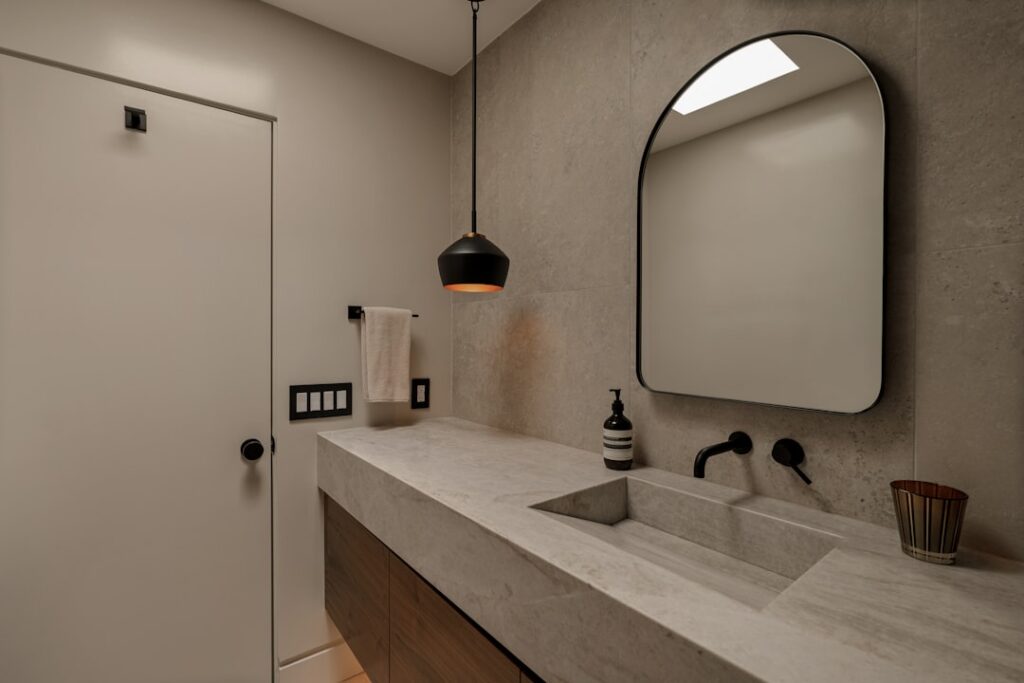
In recent years, sustainability initiatives have influenced all aspects of daily life, including home design. Homeowners across the Greater Toronto Area (GTA)—including Oakville, Burlington, Mississauga, Toronto, and Hamilton—are increasingly recognizing their environmental responsibilities, making eco-friendly bathroom renovations a significant trend. These sustainable renovations offer dual benefits: reducing environmental impact while enhancing home comfort and aesthetic value.
Eco-friendly bathroom renovations represent a substantive approach to home improvement rather than merely following fashion. They demonstrate a homeowner’s commitment to environmental principles while maintaining functionality and design standards. By selecting sustainable materials and implementing resource-efficient practices, homeowners can transform their bathrooms into spaces that support both personal wellbeing and environmental health.
The following information examines key components of eco-friendly bathroom renovations, providing practical guidance for creating more sustainable residential spaces.
Key Takeaways
- Eco-friendly bathroom renovations focus on sustainability through materials, fixtures, and design.
- Using sustainable materials and energy-efficient appliances reduces environmental impact.
- Water-saving strategies are essential for conserving resources in bathroom design.
- Natural lighting, ventilation, and incorporating plants enhance eco-friendly bathroom environments.
- Choosing eco-friendly flooring and wall coverings supports a greener, healthier bathroom space.
Sustainable Materials for Bathroom Renovations
When embarking on an eco-friendly bathroom renovation, one of the most critical decisions you’ll make is selecting sustainable materials. Opting for materials that are renewable, recycled, or sourced responsibly can significantly reduce your environmental footprint. For instance, bamboo is an excellent choice for cabinetry and shelving due to its rapid growth and renewability.
Unlike traditional hardwoods, bamboo can be harvested without causing deforestation, making it an eco-conscious option. Another sustainable material to consider is recycled glass. This versatile material can be used for countertops, tiles, and even decorative accents.
Not only does recycled glass reduce waste in landfills, but it also adds a unique touch to your bathroom with its vibrant colors and textures. Additionally, look for low-VOC (volatile organic compounds) paints and finishes to minimize indoor air pollution while still achieving a beautiful look.
Energy-Efficient Fixtures and Appliances for Eco-Friendly Bathrooms
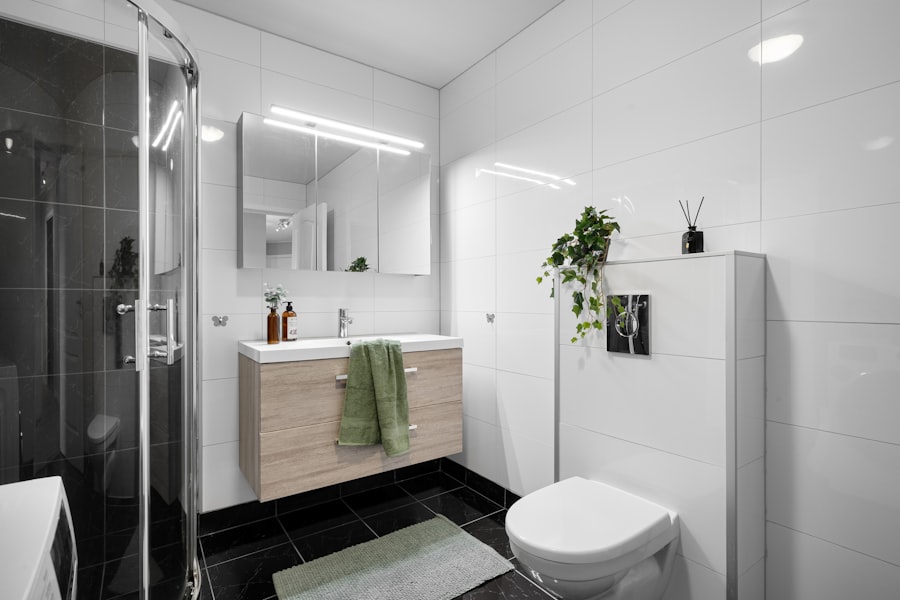
Incorporating energy-efficient fixtures and appliances is another essential component of an eco-friendly bathroom renovation. By upgrading to Energy Star-rated products, you can significantly reduce your energy consumption while enjoying modern conveniences. For example, consider installing LED lighting fixtures that consume less energy and have a longer lifespan than traditional incandescent bulbs.
These lights not only save you money on your electricity bill but also create a warm and inviting atmosphere in your bathroom. Moreover, energy-efficient appliances such as heated towel racks and low-energy exhaust fans can enhance your bathroom experience while being kind to the environment. These appliances are designed to use less energy without sacrificing performance, allowing you to enjoy the comforts of modern living while contributing to a more sustainable future.
Water-Saving Strategies for Sustainable Bathroom Design
Water conservation is a crucial aspect of eco-friendly bathroom renovations. With the increasing demand for water in urban areas like the GTA, implementing water-saving strategies can make a significant difference. One of the most effective ways to conserve water is by installing low-flow toilets and faucets.
These fixtures are designed to use significantly less water without compromising performance, helping you save on your water bill while reducing your overall consumption. Additionally, consider incorporating dual-flush toilets that allow users to choose between a full flush or a reduced flush based on their needs. This simple yet effective solution can lead to substantial water savings over time.
Furthermore, rainwater harvesting systems can be integrated into your bathroom design to collect and reuse rainwater for non-potable purposes, such as flushing toilets or watering plants.
Eco-Friendly Flooring and Wall Coverings for Bathrooms
| Eco-Friendly Feature | Estimated Water Savings (%) | Energy Savings (%) | Material Type | Average Lifespan (Years) | Environmental Impact |
|---|---|---|---|---|---|
| Low-Flow Showerheads | 30-50 | 0 | Recycled Plastic/Metal | 10-15 | Reduces water consumption significantly |
| Dual-Flush Toilets | 20-60 | 0 | Ceramic with recycled content | 15-20 | Minimizes water waste per flush |
| LED Vanity Lighting | 0 | 75-80 | Electronic components with recyclable housing | 20-25 | Reduces electricity consumption |
| Bamboo Flooring | 0 | 0 | Rapidly renewable bamboo | 25-30 | Low environmental footprint, biodegradable |
| Recycled Glass Tiles | 0 | 0 | Recycled glass | 30-40 | Reduces landfill waste, durable |
| Tankless Water Heaters | 0 | 25-35 | Metal and electronic components | 20-25 | Energy efficient, reduces standby heat loss |
| Low-VOC Paints | 0 | 0 | Water-based, low volatile organic compounds | 5-10 | Improves indoor air quality |
Choosing eco-friendly flooring and wall coverings is essential for creating a sustainable bathroom environment. Natural materials such as cork and linoleum are excellent options for flooring due to their renewable properties and durability. Cork is harvested from the bark of cork oak trees without harming the tree itself, making it an environmentally friendly choice.
It also provides excellent insulation and comfort underfoot. For wall coverings, consider using recycled tiles or natural stone sourced from local quarries. These materials not only add beauty to your bathroom but also reduce transportation emissions associated with importing materials from far away.
Additionally, using non-toxic adhesives and finishes will help maintain indoor air quality while ensuring that your renovation is as eco-friendly as possible.
Natural Lighting and Ventilation in Eco-Friendly Bathroom Design
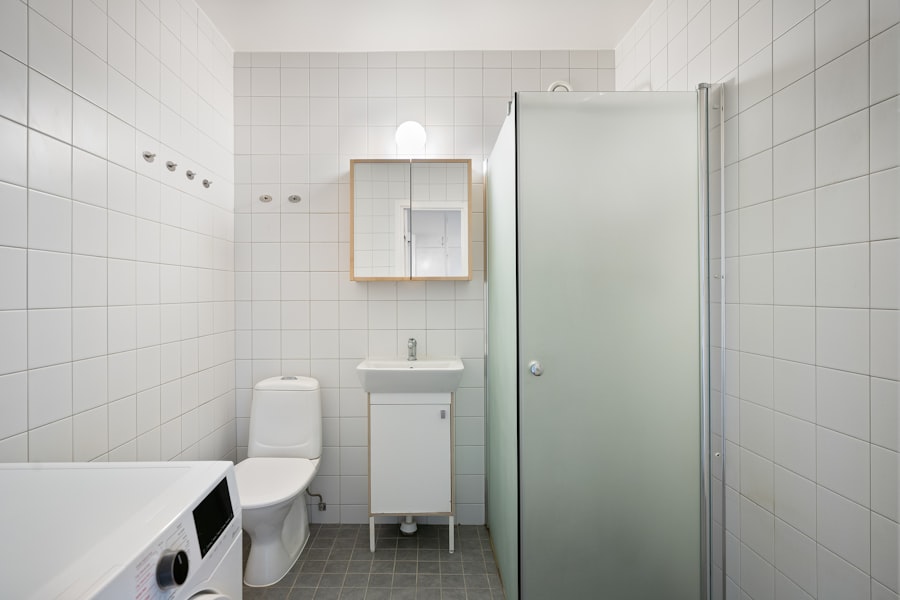
Natural lighting and ventilation play a vital role in creating an eco-friendly bathroom design. Maximizing natural light not only reduces the need for artificial lighting but also enhances the overall ambiance of the space. Consider installing larger windows or skylights to allow sunlight to flood into your bathroom.
This not only brightens the space but also creates a more inviting atmosphere. Proper ventilation is equally important in maintaining air quality and preventing moisture buildup, which can lead to mold growth. Incorporating operable windows or energy-efficient exhaust fans can help improve airflow while minimizing energy consumption.
By prioritizing natural lighting and ventilation in your bathroom renovation, you can create a healthier environment that benefits both you and the planet.
Incorporating Plants and Greenery into Sustainable Bathroom Renovations
Bringing nature indoors is an excellent way to enhance the sustainability of your bathroom renovation. Incorporating plants and greenery not only adds visual appeal but also improves air quality by filtering out toxins. Consider adding potted plants such as ferns or spider plants that thrive in humid environments and require minimal maintenance.
If space allows, you might also consider creating a living wall or vertical garden as a stunning focal point in your bathroom. This innovative design element not only showcases your commitment to sustainability but also creates a serene atmosphere that promotes relaxation. Additionally, using natural materials for plant pots or planters can further enhance the eco-friendly aesthetic of your bathroom.
Creating a Greener, More Sustainable Bathroom for the Future
In conclusion, eco-friendly bathroom renovations offer homeowners in the Greater Toronto Area an opportunity to create beautiful spaces that reflect their values while promoting sustainability. By selecting sustainable materials, incorporating energy-efficient fixtures, implementing water-saving strategies, and maximizing natural light and ventilation, you can transform your bathroom into an oasis of comfort and environmental responsibility. As you embark on your renovation journey, remember that every small change contributes to a larger impact on our planet.
Whether you’re considering a complete overhaul or simply looking to make a few eco-conscious updates, there are countless ways to create a greener bathroom that aligns with your lifestyle. If you’re ready to take the next step toward an eco-friendly bathroom renovation, contact Bath Club today! Our team of experts is dedicated to helping you design and implement sustainable solutions tailored to your needs.
Together, we can create a beautiful space that not only enhances your home but also contributes to a healthier planet for future generations.
For those interested in eco-friendly bathroom renovations, exploring sustainable ideas for 2025 can be greatly enhanced by understanding common challenges in bathroom remodeling. A related article that addresses these issues is available at Bathroom Remodeling Problems, which outlines potential pitfalls and offers solutions to ensure a smooth and environmentally conscious renovation process.
FAQs
What are eco-friendly bathroom renovations?
Eco-friendly bathroom renovations involve updating or remodeling a bathroom using sustainable materials, water-saving fixtures, energy-efficient lighting, and environmentally responsible practices to reduce the overall environmental impact.
Why should I consider sustainable ideas for my bathroom renovation in 2025?
Sustainable bathroom renovations help conserve natural resources, reduce utility bills, improve indoor air quality, and contribute to a healthier environment. In 2025, advancements in eco-friendly products and technologies make it easier and more cost-effective to implement green solutions.
What materials are considered sustainable for bathroom renovations?
Sustainable materials include recycled glass tiles, bamboo or reclaimed wood cabinetry, low-VOC (volatile organic compounds) paints, natural stone, and eco-friendly countertops made from recycled or renewable resources.
How can I save water in my bathroom renovation?
Installing low-flow toilets, faucets, and showerheads, as well as dual-flush toilets and water-efficient appliances, can significantly reduce water consumption without compromising performance.
What energy-efficient options are available for bathroom lighting and heating?
LED lighting, motion sensors, and timers help reduce energy use. For heating, consider energy-efficient radiant floor heating systems, programmable thermostats, and well-insulated windows to maintain warmth with less energy.
Are there eco-friendly alternatives for bathroom fixtures?
Yes, many manufacturers offer eco-friendly fixtures made from sustainable or recycled materials. Additionally, fixtures designed to minimize water and energy use are widely available.
How can I ensure proper ventilation while keeping my bathroom eco-friendly?
Use energy-efficient exhaust fans with timers or humidity sensors to improve air quality and reduce moisture buildup, which helps prevent mold growth and maintains a healthy environment.
Is it more expensive to do an eco-friendly bathroom renovation?
While some sustainable products may have a higher upfront cost, many eco-friendly renovations save money over time through reduced water and energy bills. Incentives and rebates may also be available to offset initial expenses.
Can I incorporate smart technology into an eco-friendly bathroom renovation?
Yes, smart thermostats, water leak detectors, and automated lighting systems can enhance efficiency and reduce waste, making your bathroom more sustainable.
Where can I find certified eco-friendly bathroom products?
Look for certifications such as WaterSense, GREENGUARD, FSC (Forest Stewardship Council), and Energy Star when selecting bathroom products to ensure they meet environmental and performance standards.