

When it comes to bathroom renovations, the first step is to assess your specific needs. This involves taking a close look at your current bathroom layout, functionality, and overall aesthetic. Are you looking to create a spa-like retreat, or do you simply need to update outdated fixtures?
Understanding your goals will help you prioritize what aspects of the renovation are most important. For instance, if you have a growing family, you might need to focus on increasing storage and functionality, while a couple might prioritize creating a relaxing atmosphere. Additionally, consider the size of your bathroom and how it fits into your home’s overall design.
A small bathroom may benefit from clever space-saving solutions, while a larger one could accommodate luxurious features like a double vanity or a freestanding tub. Take the time to jot down your must-haves and nice-to-haves, as this will guide your decisions throughout the renovation process. Engaging with a professional designer can also provide valuable insights into optimizing your space and ensuring that your renovation aligns with your vision.
Key Takeaways
- Assess your bathroom renovation needs by considering the functionality, layout, and design preferences.
- Choose the best bathroom tiles by considering factors such as material, size, color, and maintenance requirements.
- Select durable and water-resistant flooring materials like porcelain or ceramic tiles, vinyl, or natural stone.
- Evaluate countertop options for your bathroom based on durability, maintenance, and aesthetic appeal.
- Find the right shower and tub materials that are easy to clean, durable, and complement the overall bathroom design.
Choosing the Best Bathroom Tiles
Selecting the right tiles is crucial for both aesthetics and functionality in your bathroom renovation. Tiles come in a variety of materials, colors, and patterns, allowing you to create a unique look that reflects your personal style. Ceramic and porcelain tiles are popular choices due to their durability and water resistance.
They are available in countless designs, from classic subway tiles to intricate mosaics, making it easy to find something that suits your taste. When choosing tiles, consider the size of your bathroom. Larger tiles can make a small space feel more expansive, while smaller tiles can add texture and detail.
Additionally, think about the grout color; lighter grout can brighten up a space but may require more maintenance, while darker grout can hide stains but may make the area feel smaller. Don’t forget to factor in slip resistance, especially for floor tiles, to ensure safety in wet areas.
Selecting Durable and Water-Resistant Flooring Materials
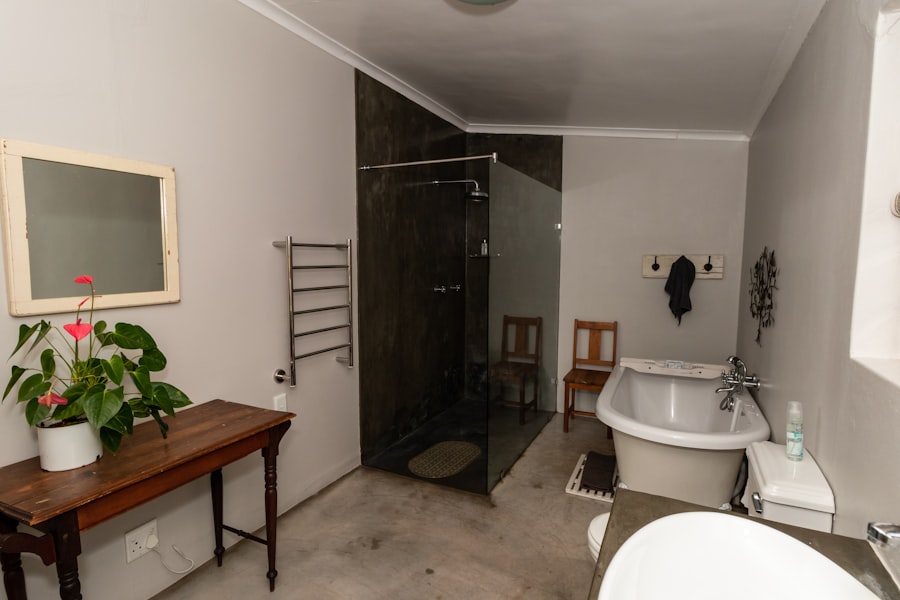
Flooring is one of the most critical components of any bathroom renovation, as it must withstand moisture and heavy foot traffic. When selecting flooring materials, durability and water resistance should be at the forefront of your decision-making process. Vinyl flooring has gained popularity in recent years due to its affordability and versatility.
It comes in various styles that mimic natural materials like wood or stone while providing excellent water resistance. Another option is tile flooring, which is not only durable but also offers endless design possibilities. Natural stone tiles such as slate or travertine can add a touch of luxury but require sealing to prevent water damage.
If you’re looking for something softer underfoot, consider cork or rubber flooring; both are water-resistant and provide cushioning, making them ideal for bathrooms. Ultimately, choose a flooring material that complements your overall design while meeting practical needs.
Evaluating Countertop Options for Your Bathroom
Countertops play a significant role in both the functionality and aesthetic appeal of your bathroom. When evaluating options, consider materials that are not only beautiful but also durable and easy to maintain. Quartz countertops have become increasingly popular due to their non-porous nature, which makes them resistant to stains and bacteria.
They come in a wide range of colors and patterns, allowing you to achieve the desired look without sacrificing practicality. Granite is another excellent choice for bathroom countertops; its natural beauty and durability make it a timeless option. However, it does require regular sealing to maintain its resistance to moisture and stains.
For those on a budget, laminate countertops can provide an attractive finish at a fraction of the cost. While they may not offer the same level of durability as stone options, modern laminates come in various designs that can mimic more expensive materials effectively.
Finding the Right Shower and Tub Materials
The choice of materials for your shower and tub can significantly impact both the functionality and style of your bathroom. Acrylic and fiberglass are popular options for shower bases due to their lightweight nature and ease of installation. They are also resistant to mold and mildew, making them ideal for wet environments.
If you’re looking for something more luxurious, consider natural stone or ceramic tiles for shower walls; they offer a timeless look and can be customized to fit any design. For bathtubs, options range from traditional cast iron to modern freestanding models made from acrylic or solid surface materials. Cast iron tubs are incredibly durable and retain heat well but can be heavy and require reinforced flooring.
Acrylic tubs are lighter and easier to install while still providing a sleek appearance. When selecting materials for your shower and tub, think about how they will integrate with the rest of your bathroom design while ensuring they meet your practical needs.
Considering Cabinetry and Storage Materials
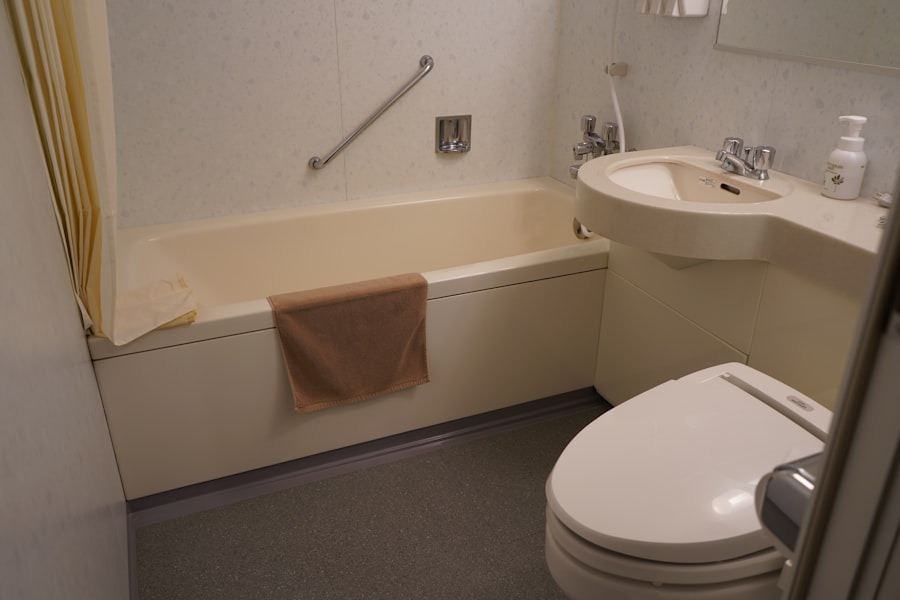
Storage is often a significant concern in bathroom renovations, making cabinetry choices essential for maximizing space and functionality. When selecting cabinetry materials, consider options that are both stylish and durable. Solid wood cabinets offer timeless appeal and durability but can be more expensive than other materials.
If you’re looking for something more budget-friendly, plywood or MDF (medium-density fiberboard) can provide a similar look at a lower cost. In addition to material choices, think about the layout of your cabinetry. Wall-mounted cabinets can save floor space while providing ample storage for toiletries and towels.
Open shelving is another trendy option that allows you to display decorative items while keeping essentials within reach. Regardless of the style you choose, ensure that your cabinetry complements the overall design of your bathroom while providing practical storage solutions.
Incorporating Eco-Friendly and Sustainable Materials
As homeowners become more environmentally conscious, incorporating eco-friendly materials into bathroom renovations has gained popularity. Sustainable materials not only reduce environmental impact but can also enhance the overall aesthetic of your space. Bamboo is an excellent choice for cabinetry and flooring due to its rapid growth rate and durability.
It adds warmth to any bathroom while being an eco-friendly alternative to traditional hardwoods. Recycled glass tiles are another fantastic option for adding a unique touch to your bathroom design. They come in various colors and styles, allowing you to create stunning backsplashes or accent walls while minimizing waste.
Additionally, consider low-flow fixtures for faucets and toilets; these not only conserve water but can also lead to significant savings on utility bills over time. By choosing sustainable materials, you can create a beautiful bathroom that aligns with your values.
Budgeting and Cost-Effective Material Alternatives
Budgeting is an essential aspect of any renovation project, including bathroom upgrades. Understanding where to allocate funds can help you achieve your desired results without breaking the bank. Start by determining your overall budget and prioritize key areas such as fixtures, flooring, and cabinetry based on their importance to your renovation goals.
If you’re looking for cost-effective alternatives without sacrificing quality, consider laminate countertops instead of granite or quartz; they can provide an attractive finish at a lower price point. Similarly, vinyl flooring can mimic the look of more expensive materials while offering excellent durability and water resistance. Shopping at local home improvement stores or online marketplaces can also yield great deals on materials if you’re willing to do some research.
In conclusion, renovating your bathroom is an exciting opportunity to enhance both its functionality and aesthetic appeal. By carefully assessing your needs, choosing the right materials, and budgeting effectively, you can create a space that reflects your style while meeting practical requirements. Whether you’re considering eco-friendly options or simply looking for cost-effective alternatives, there are countless ways to achieve your dream bathroom.
If you’re ready to take the next step in transforming your bathroom into a beautiful oasis tailored to your needs, contact Bath Club today! Our team of experts is here to guide you through every step of the renovation process, ensuring that your vision becomes a reality. Let’s create the perfect bathroom together!
When planning your bathroom renovation, selecting the right materials is crucial for both aesthetics and functionality. For insights into common challenges you might face during the remodeling process, you can refer to our article on bathroom remodeling problems. This resource will help you anticipate potential issues and make informed decisions, ensuring your renovation goes as smoothly as possible.
FAQs
What are the best materials for a bathroom renovation?
Some of the best materials for a bathroom renovation include porcelain or ceramic tiles for the flooring and walls, quartz or granite for the countertops, and stainless steel or chrome for fixtures and hardware.
What factors should be considered when choosing materials for a bathroom renovation?
When choosing materials for a bathroom renovation, it’s important to consider factors such as durability, water resistance, ease of maintenance, and overall aesthetic appeal. Additionally, budget and personal preferences should also be taken into account.
Are there any materials to avoid for a bathroom renovation?
Materials to avoid for a bathroom renovation include hardwood flooring, as it is not water-resistant and can warp or rot in a moist environment. Additionally, certain types of natural stone may require more maintenance and sealing to prevent water damage.
What are some eco-friendly materials for a bathroom renovation?
Some eco-friendly materials for a bathroom renovation include bamboo flooring, recycled glass tiles, low-flow toilets and faucets, and water-saving showerheads. Additionally, using non-toxic paints and sealants can also contribute to a more environmentally friendly renovation.
How can I ensure that the materials I choose will withstand the moisture in a bathroom?
To ensure that the materials you choose will withstand the moisture in a bathroom, look for options that are specifically designed for wet environments, such as porcelain or ceramic tiles with a low absorption rate, and quartz or granite countertops that are sealed to prevent water damage. It’s also important to properly seal grout lines and use waterproofing membranes in areas prone to moisture exposure.