

When embarking on a bathroom renovation or addition, the first step is to assess your needs and the available space. Understanding what you want from your bathroom is crucial. Are you looking for a serene spa-like retreat, or do you need a functional family bathroom that can withstand the daily hustle and bustle?
Take the time to list your priorities. This could include features like a double vanity, a soaking tub, or a walk-in shower. Consider how many people will be using the space and what their specific needs might be.
For instance, if you have young children, you might prioritize safety features and easy-to-clean surfaces. Once you have a clear idea of your needs, it’s essential to evaluate the physical space you have to work with. Measure the dimensions of your bathroom accurately, noting the location of doors, windows, and existing plumbing.
This will help you visualize how different layouts could work. If you’re considering an addition, think about how it will integrate with the rest of your home. A well-planned layout not only enhances functionality but also contributes to the overall aesthetic appeal of your home.
Remember, a bathroom that feels cramped can detract from its usability, so ensure that your design allows for comfortable movement.
Key Takeaways
- Assess your needs and space before starting the bathroom renovation to ensure it meets your requirements.
- Consider the traffic flow in the bathroom to optimize the layout and functionality.
- Choose the right fixtures and fittings that complement the overall design and meet your practical needs.
- Maximize storage space by incorporating clever storage solutions to keep the bathroom organized and clutter-free.
- Incorporate proper lighting to create a well-lit and inviting atmosphere in the bathroom.
Consider the Traffic Flow
Traffic flow is a critical aspect of any bathroom design that is often overlooked. The way people move through the space can significantly impact its functionality. When planning your layout, think about how many people will be using the bathroom at once and how they will navigate through it.
Ideally, you want to create a design that minimizes congestion and allows for easy access to essential fixtures like the toilet, sink, and shower or tub. To enhance traffic flow, consider the placement of doors and fixtures. For example, if your bathroom has a separate toilet area, ensure that it is positioned in a way that does not obstruct access to other parts of the room.
Additionally, think about how the door swings open; a pocket door can save space and improve flow in smaller bathrooms. By prioritizing traffic flow in your design, you can create a more enjoyable and efficient space that meets the needs of everyone in your household.
Choose the Right Fixtures and Fittings

Selecting the right fixtures and fittings is one of the most exciting parts of a bathroom renovation. The choices you make here can dramatically influence both the functionality and style of your space. Start by considering the types of fixtures that will best suit your needs.
For instance, if you enjoy long baths, investing in a high-quality soaking tub might be worthwhile. Alternatively, if you prefer quick showers, a luxurious rain showerhead could elevate your daily routine. In addition to functionality, aesthetics play a significant role in fixture selection.
From faucets to towel bars, every detail contributes to the overall look of your bathroom. Opt for finishes that complement your design theme—whether it’s modern chrome, rustic bronze, or classic brushed nickel. Don’t forget about water efficiency; many modern fixtures are designed to conserve water without sacrificing performance.
By choosing the right fixtures and fittings, you can create a bathroom that is both beautiful and practical.
Maximize Storage Space
Storage is often a challenge in bathrooms, especially in smaller spaces. To make the most of your renovation, think creatively about how to maximize storage without compromising style. Built-in shelves or cabinets can provide ample storage while maintaining a clean look.
Consider vertical storage solutions that take advantage of wall space; tall cabinets or open shelving can help keep essentials organized and easily accessible. Another effective strategy is to incorporate multifunctional furniture. For example, an ottoman with hidden storage can serve as both seating and a place to stash towels or toiletries.
Additionally, consider using decorative baskets or bins to keep smaller items organized while adding a touch of style. By maximizing storage space in your bathroom, you can create an environment that feels clutter-free and serene.
Incorporate Proper Lighting
Lighting is an essential element in any bathroom renovation that can dramatically affect both functionality and ambiance. A well-lit bathroom not only makes daily tasks easier but also enhances the overall mood of the space. Start by layering your lighting; this means combining ambient lighting with task lighting and accent lighting for a well-rounded approach.
For task lighting, consider installing sconces on either side of the mirror to provide even illumination for grooming tasks. Recessed lighting can offer general illumination without taking up visual space, while accent lighting can highlight architectural features or decorative elements in your bathroom. Don’t forget about natural light; if possible, maximize window space to bring in daylight, which can make your bathroom feel more open and inviting.
By incorporating proper lighting into your design, you can create a functional yet relaxing atmosphere.
Select the Right Flooring and Wall Materials
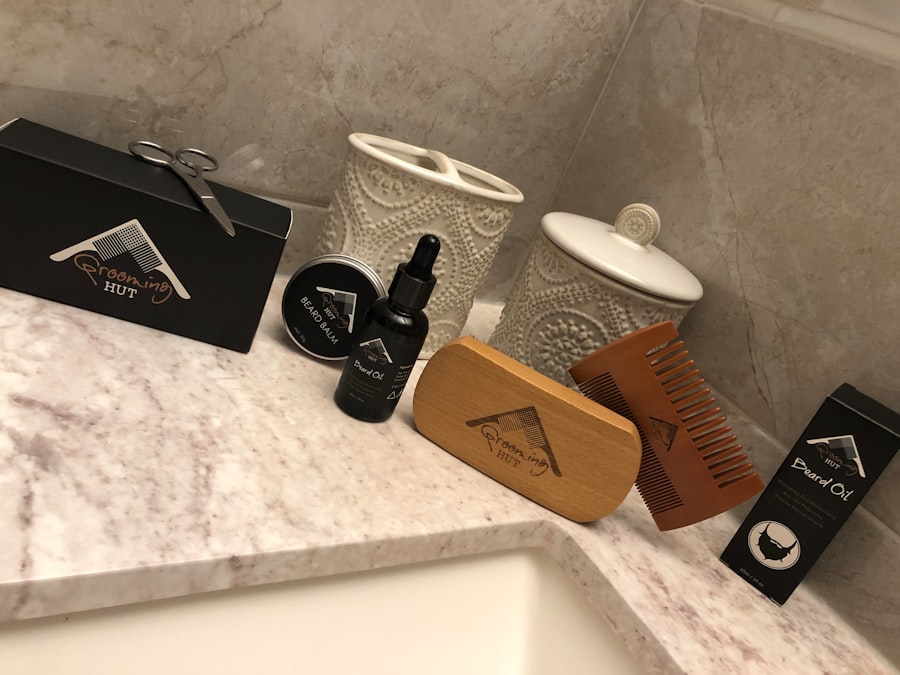
Choosing the right flooring and wall materials is crucial for both aesthetics and practicality in your bathroom renovation. Bathrooms are high-moisture areas, so it’s essential to select materials that can withstand humidity while also being easy to clean. Popular flooring options include porcelain tiles, vinyl planks, and natural stone—each offering unique benefits.
Porcelain tiles are particularly favored for their durability and water resistance, making them an excellent choice for flooring and walls alike. If you’re looking for something softer underfoot, luxury vinyl tiles provide a warm feel while mimicking the look of natural materials at a lower cost. When it comes to wall materials, consider moisture-resistant paint or tiles that can handle steam without peeling or warping.
By selecting appropriate flooring and wall materials, you can ensure that your bathroom remains beautiful and functional for years to come.
Add Personal Touches and Decor
Once you’ve established the foundational elements of your bathroom renovation, it’s time to infuse your personality into the space with decor and personal touches. This is where you can truly make the bathroom feel like your own sanctuary. Start by selecting a color palette that resonates with you—soft pastels for a calming effect or bold colors for a vibrant atmosphere.
Incorporate decorative elements such as artwork, plants, or stylish towels to add warmth and character to the room. Consider using mirrors not just for functionality but also as decorative pieces; an ornate mirror can serve as a stunning focal point while enhancing light in the space. Additionally, don’t shy away from unique accessories like vintage soap dishes or modern candle holders that reflect your style.
By adding personal touches and decor, you can transform your bathroom into a space that feels uniquely yours.
Seek Professional Advice and Assistance
While DIY projects can be rewarding, seeking professional advice and assistance for your bathroom renovation can save you time, money, and stress in the long run. Experienced contractors and designers bring valuable insights into design trends, material choices, and construction techniques that can elevate your project beyond what you might achieve on your own. Consulting with professionals also ensures that your renovation adheres to local building codes and regulations—an important consideration for any home improvement project.
They can help you navigate potential challenges such as plumbing issues or structural limitations while providing creative solutions tailored to your needs. By enlisting professional help, you can enjoy peace of mind knowing that your renovation is in capable hands. In conclusion, renovating or adding to your bathroom is an exciting opportunity to enhance both functionality and aesthetics in one of the most important spaces in your home.
By assessing your needs and space carefully, considering traffic flow, choosing the right fixtures and fittings, maximizing storage space, incorporating proper lighting, selecting suitable flooring and wall materials, adding personal touches, and seeking professional advice when necessary, you can create a beautiful bathroom tailored to your lifestyle. If you’re ready to embark on this journey or have questions about how to get started with your bathroom renovation in Oakville, Burlington, Mississauga, Toronto, or Hamilton, contact Bath Club today! Our team of experts is here to help turn your vision into reality while ensuring a seamless renovation experience from start to finish.
Let’s create the bathroom of your dreams together!
When designing a functional and stylish bathroom layout, it’s essential to consider various elements that contribute to both aesthetics and practicality. For further insights on creating a high-quality bathroom interior, you can check out this related article on high-quality bathroom interiors. This resource provides valuable tips and inspiration to help you achieve the perfect balance between style and functionality in your bathroom design.
FAQs
What are the key factors to consider when designing a bathroom layout?
When designing a bathroom layout, it’s important to consider the available space, the location of existing plumbing, the needs of the users, and the desired style and functionality of the bathroom.
What are some common bathroom layout designs?
Common bathroom layout designs include the single-wall layout, the corridor layout, the L-shaped layout, the U-shaped layout, and the island layout. Each design has its own advantages and considerations based on the available space and the user’s needs.
How can I maximize space in a small bathroom layout?
To maximize space in a small bathroom layout, consider using space-saving fixtures and fittings, such as wall-mounted toilets and sinks, and opting for a minimalist design with clean lines and a neutral color palette to create a sense of openness.
What are some important considerations for a functional bathroom layout?
Important considerations for a functional bathroom layout include the placement of fixtures to allow for easy movement and use, adequate storage for toiletries and towels, proper lighting for tasks and ambiance, and ventilation to prevent moisture buildup.
How can I incorporate style into a bathroom layout?
To incorporate style into a bathroom layout, consider using high-quality materials and finishes, adding decorative elements such as a statement mirror or a feature wall, and choosing fixtures and fittings that complement the overall design aesthetic of the space.